A weekend lunch or a group walk through a local park often feels like a simple coordination task. However, when you are the person organizing the outing, the weight of ensuring every participant can engage comfortably rests on your shoulders. The temptation is to look at a venue's website, see a photo of a wide entrance, and assume the space is ready for everyone. But a polished digital presence does not always translate to the lived experience of your guests.
The Pitfall of Assumptions
Making assumptions for another adult can lead to awkward mid-trip adjustments or, worse, a situation where a guest feels excluded. For example, if you are organizing a gathering at a new restaurant, you might notice a mention of "outdoor seating" and assume it is a seamless transition from the street. You might decide for your companion that the patio is fine, without knowing if the path to that patio involves steep inclines or uneven surfaces that would make their movement difficult.
The tradeoff here is between the speed of planning and the certainty of comfort. It is much faster to pick a place based on a quick search, but that speed comes at the cost of potentially overlooking a detail that changes the entire nature of the outing. Instead of deciding what a guest needs, consider the value of a direct conversation.
Asking the Right Questions
Rather than guessing, bring the specific needs of the group into the light. When communicating with your companions, you might ask, "What specific features should I look for in a venue to make sure our group is comfortable?" or "Are there any particular environmental factors, like noise levels or lighting, that we should account for?" This shifts the responsibility from you making a guess to the group providing the necessary parameters for a successful event.
Once you have those details, the next step is to verify them with the venue itself. A website might show a map, but it rarely details the nuances of a space. When you call a business, move beyond generalities. Ask the manager how they handle specific requests. If a guest requires a certain type of seating arrangement or a specific route to the restroom, ask the staff if they can facilitate that directly and how they would manage it during a busy service period.
Refining the Plan
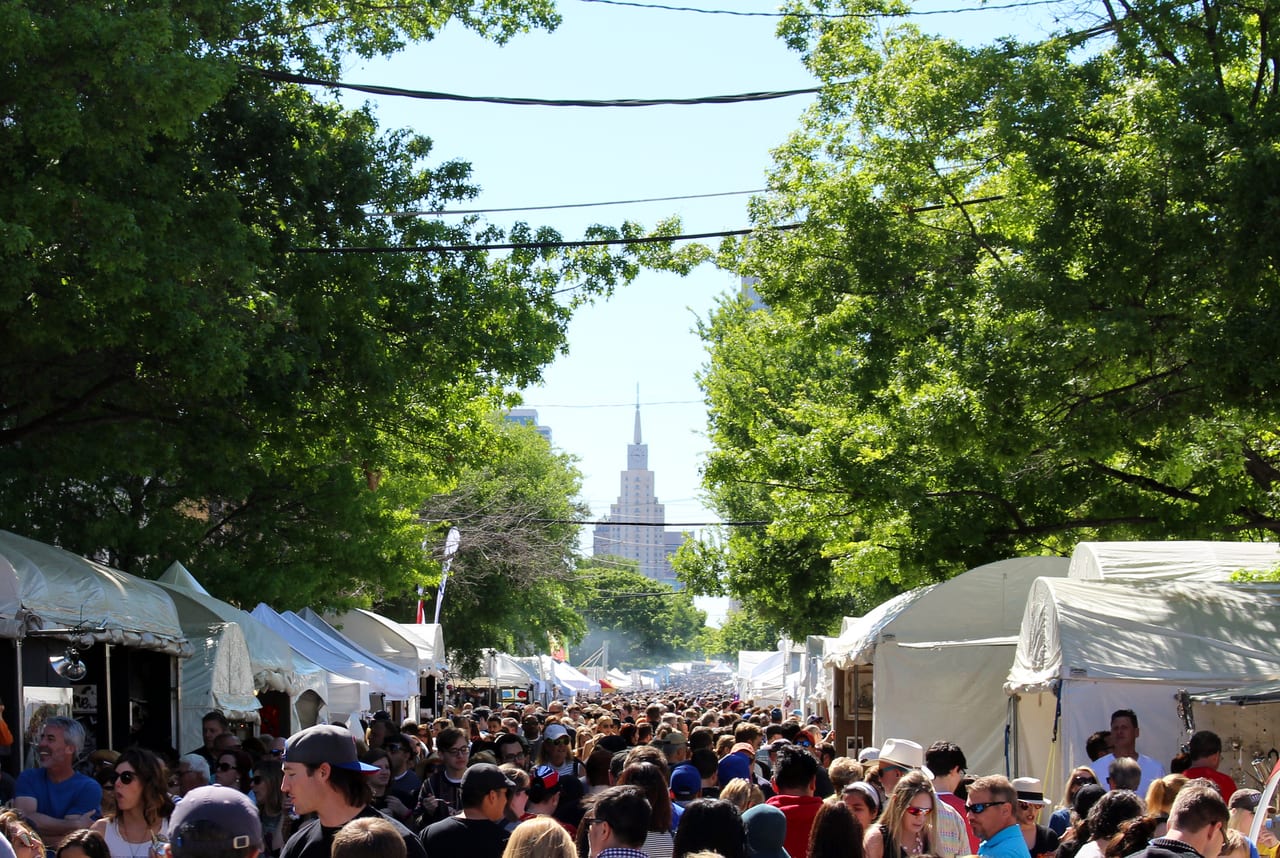
For example, if you are planning a group outing to an outdoor market, you might assume the layout is open. Instead, ask the organizers about the terrain and the spacing between stalls. If you are organizing a business lunch, ask the restaurant how they manage acoustics in their larger dining rooms. By gathering these specific details, you replace uncertainty with actionable information.
The goal is not to manage every minute of the trip, but to ensure the logistics do not become a barrier to the social experience. By asking your guests what they require and then verifying those needs with the venue, you create an environment where the focus remains on the company rather than the obstacles.