A ticket to a concert, a seat at a professional conference, or a reservation for a high-profile gala serves as the anchor for an entire trip. For the solo traveler, this single fixed commitment often dictates every other decision, from where to sleep to how to navigate a new neighborhood. The temptation is to build an entire itinerary around the assumption that everything else will fall into place around that one central date. However, a trip built on assumptions requires a different level of scrutiny than one built on confirmed arrangements.
Distinguishing Certainty from Assumption
The first step in managing a solo trip is to separate what is locked in from what is merely imagined. A confirmed event registration is a fact; a plan to walk to a nearby hotel is an assumption. When traveling alone, the margin for error feels different because there is no partner to help troubleshoot a missed connection or a closed road. It is helpful to look at your itinerary and ask: Which parts of this plan are backed by a receipt, and which parts are based on a hope?
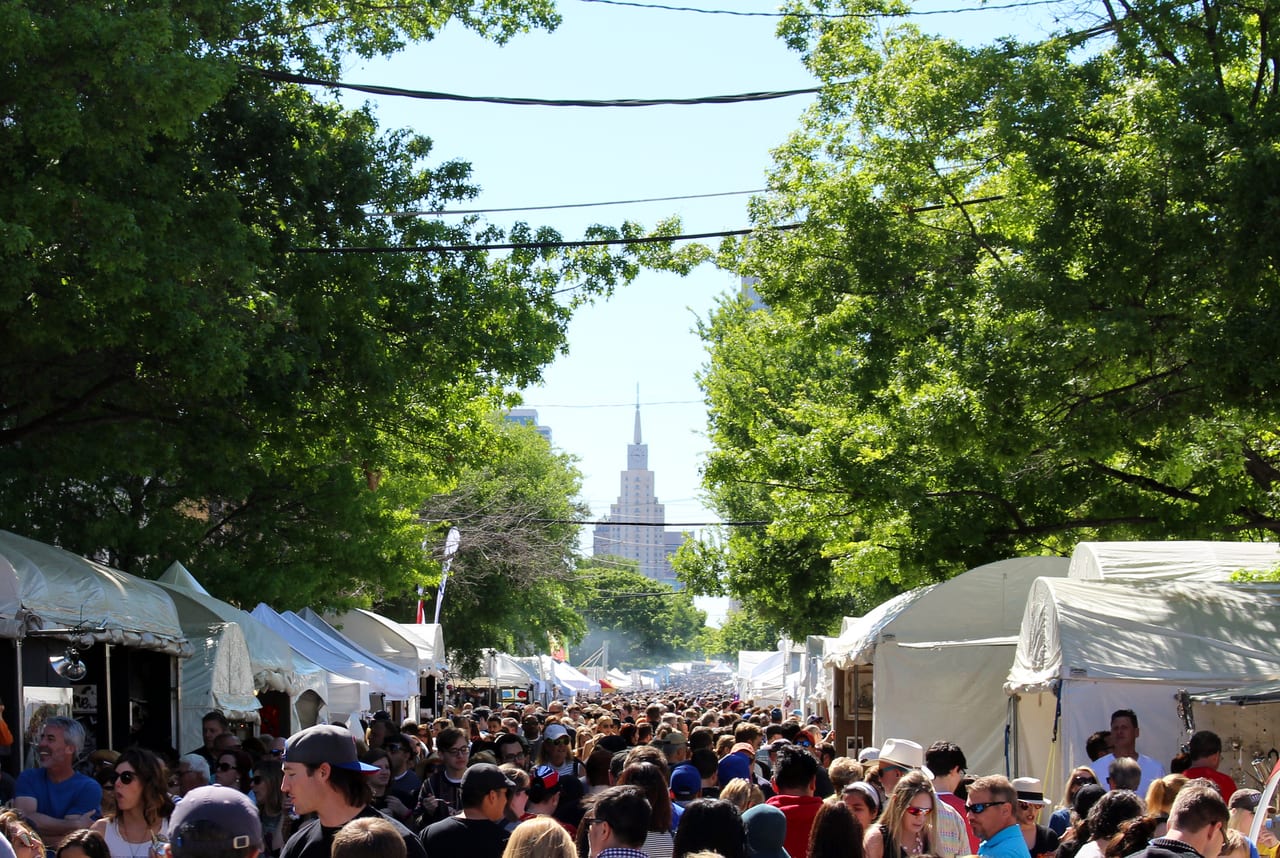
For example, if you have selected a hotel because it appears close to the venue on a digital map, you have made a decision based on proximity. However, that proximity does not account for the reality of event-day congestion or local street closures. You might assume a ten-minute walk is feasible, but you have not yet accounted for the specific transit routes or the density of crowds that emerge when a venue empties. This represents a tradeoff between the desire for closeness and the potential for logistical friction.
The Logistics of Movement and Rest
When choosing accommodation, the tradeoff often involves a choice between immediate convenience and a predictable environment. A hotel located directly adjacent to a major venue offers ease of access, but it may also place you in the center of the post-event surge. Conversely, a quieter location might offer a more stable environment for rest but requires more complex transit planning. Ask the hotel staff how they handle guest access during large-scale local events and whether they provide specific guidance for reaching the venue. Ask if they have information regarding local road changes that might affect your ability to reach the property.
Transportation requires similar scrutiny. Rather than assuming a rideshare or a specific transit line will be available exactly when you need it, consider the timing. Ask local transport providers about their availability during peak event hours. If you are relying on a vehicle, ask the accommodation provider about their specific parking arrangements and whether those spaces are guaranteed during high-traffic periods. Confirming these details helps prevent a situation where you arrive at a location only to find the expected service or space is unavailable.
Evaluating the Solo Itinerary
A solo traveler must also consider the rhythm of their day. If your event is in the evening, your daytime decisions regarding meals and workspace should be tethered to your ability to return to your base easily. You might find that a hotel with a central lobby or a dedicated workspace provides a more stable environment than a smaller, more isolated rental. Ask the accommodation provider about the availability of these specific amenities and if they require a separate reservation.
Before finalizing your plans, review your list of confirmed bookings against your intended movements. If you find a gap where an assumption has replaced a reservation, address it. By confirming your transit options and your lodging details through direct inquiry, you turn a series of guesses into a functional plan for your stay. The goal is to ensure that every movement you intend to make is supported by a confirmed method of execution.