This is a paid partner contribution. Commercial relationships are disclosed so readers can distinguish sponsored content from editorial guides.
A storefront sign, a directional banner, or a branded vehicle wrap serves as a silent introduction to a business. When a company decides to update its visual presence, the initial conversation with a provider determines how well the final product aligns with the intended brand image. Moving from a vague idea to a physical installation requires a clear understanding of what is being requested and what the practical constraints might be.
Defining the Visual Scope
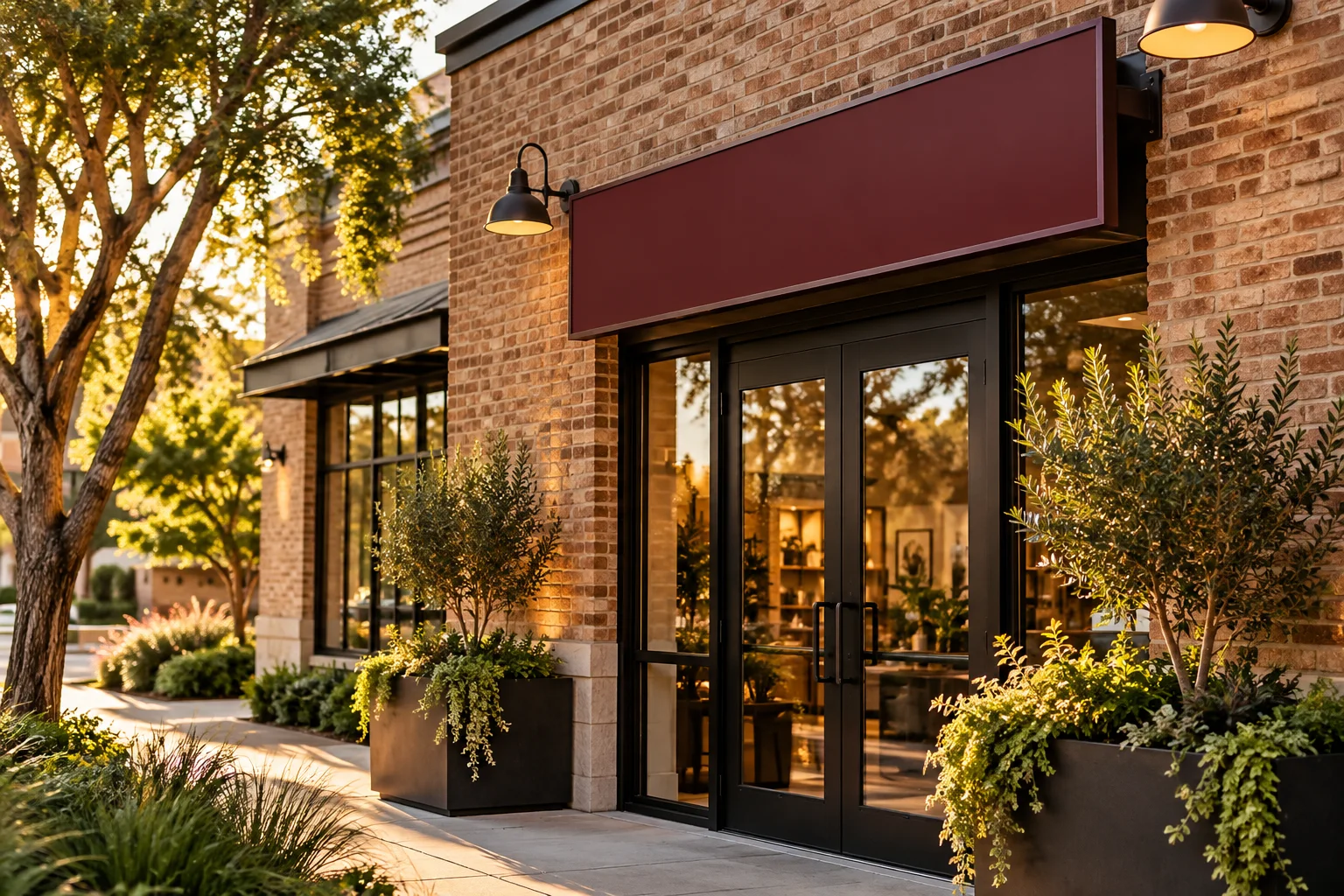
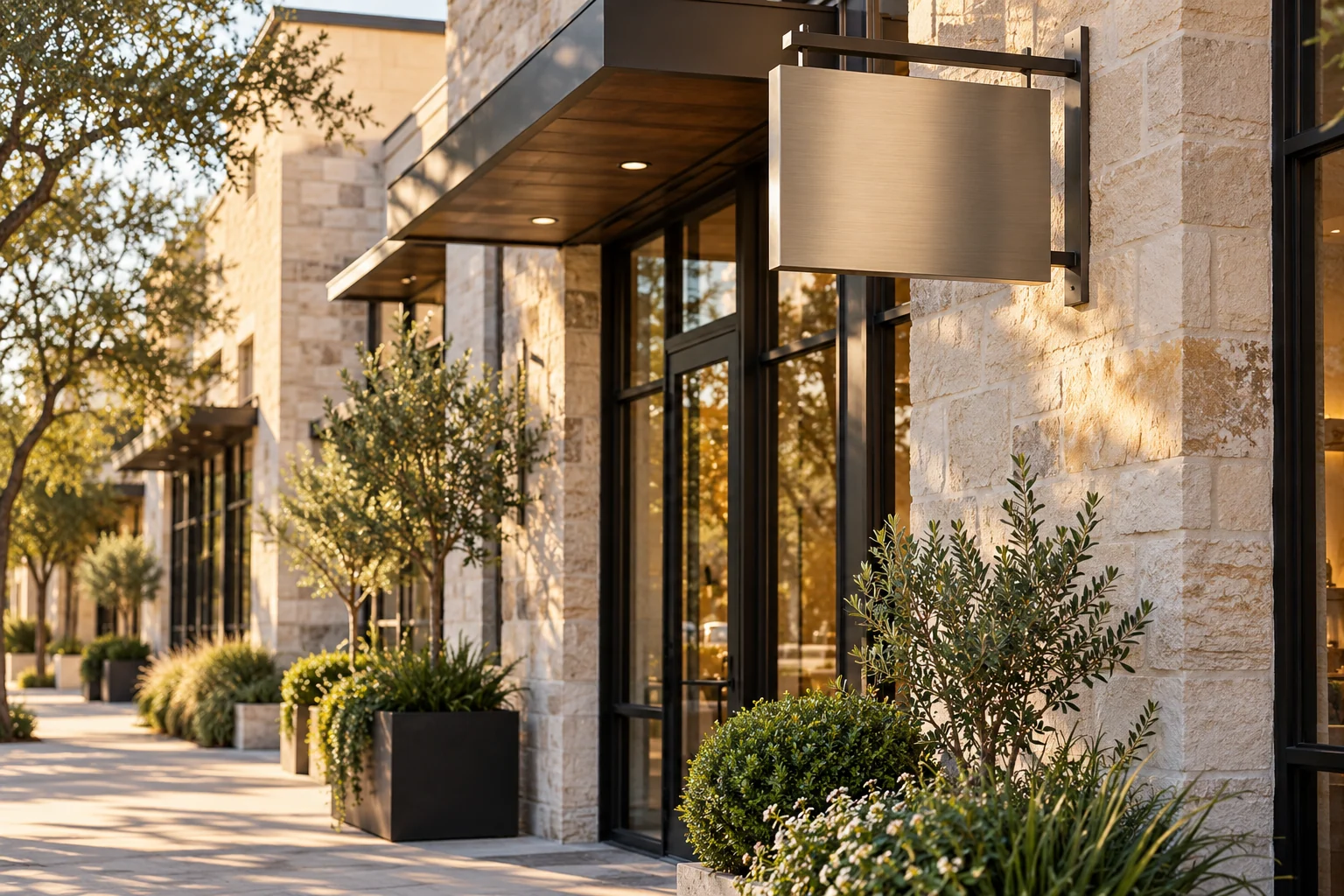
Before reaching out about FASTSIGNS of Dallas – Fair Park, it helps to have a specific set of requirements gathered. A conversation is more productive when you can describe the environment where the sign will live. Is the sign intended for a high-traffic sidewalk, an interior office wall, or a window facing a parking lot? The setting dictates much about the materials and mounting methods that might be discussed.
Consider the scale of the project. A small, elegant plaque for a reception desk carries a different set of considerations than a large-scale outdoor display. Having dimensions, even approximate ones, allows for a more grounded discussion about what is possible within your space. You might also want to decide if you are looking for a complete design from scratch or if you already have high-resolution files ready for production.
The Tradeoff of Customization
Every signage decision involves a balance between aesthetic impact and durability. For example, if you are choosing between a high-gloss finish that catches every eye and a matte finish that resists glare from the Texas sun, you are weighing immediate visibility against long-term legibility. A highly decorative, intricate design might look stunning in a showroom, but you must consider how it will hold up against wind, rain, or frequent cleaning.
For instance, imagine you are opening a new boutique in a busy district. You could opt for a brightly lit, illuminated sign that stands out during evening hours, or a classic, non-illuminated wooden sign that offers a more understated, rustic feel. The former ensures you are seen after dark, while the latter may offer a different sense of permanence and texture. Knowing which direction you lean helps guide the technical questions you will ask later.
Preparing Your Questions
Once you have defined your needs, the next step is to gather information regarding the execution of the project. Rather than assuming a specific outcome, ask questions that clarify the process. You might ask how the provider handles the installation process and what specific hardware is used for your type of surface. If you are managing multiple locations, you may want to inquire about using an online sign ordering portal to streamline repeat requests.
Ask about the timeline from the moment a design is approved to the day the sign is mounted. It is also useful to ask how the provider handles revisions to a design and what the process looks like if the physical installation requires specific site preparations. By entering the conversation with your environment, your goals, and your questions ready, you can move toward a finished product that matches your vision.