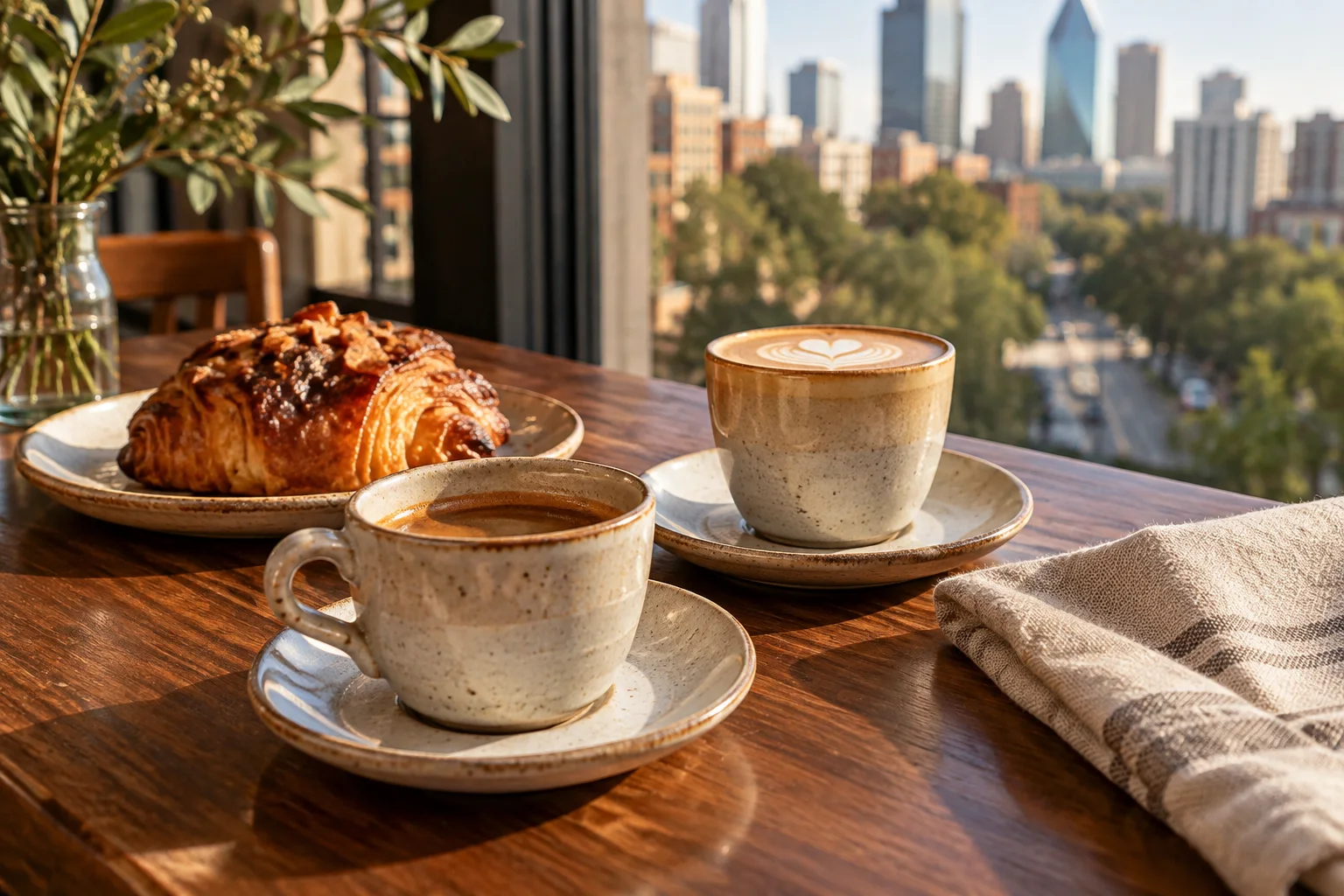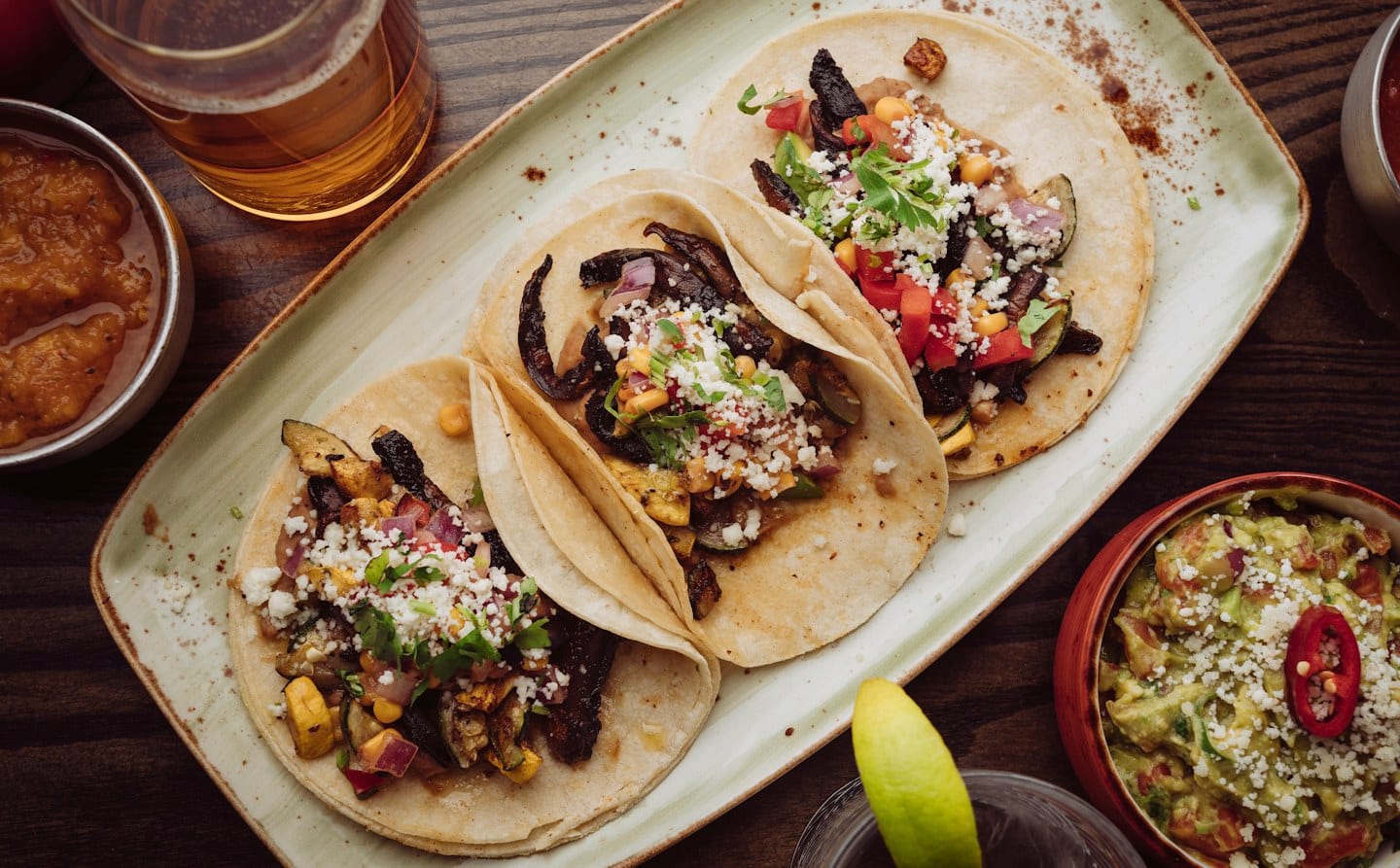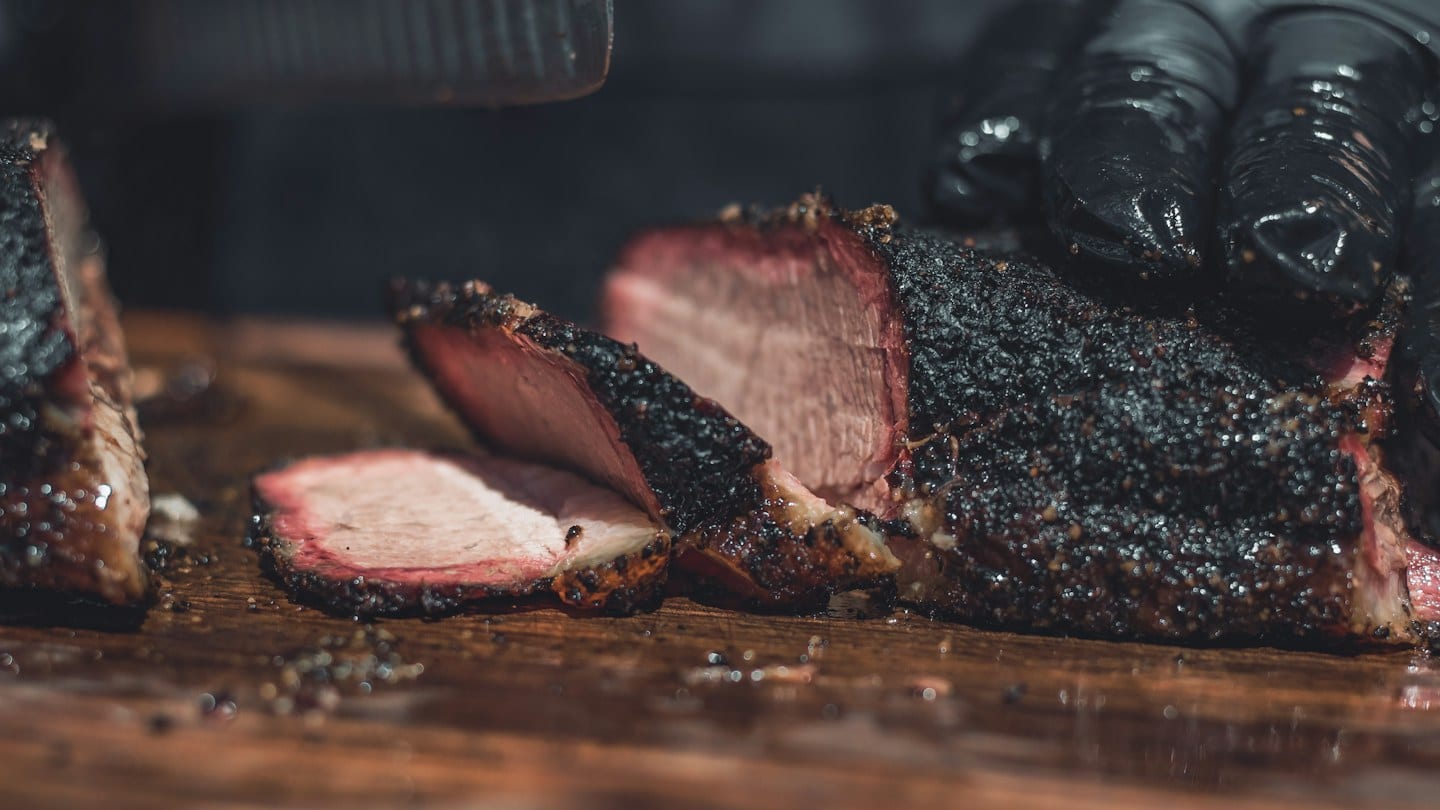
A small, curated selection of ingredients sits on the table, waiting to be explored. Whether you are testing a new batch of coffee beans, sampling local honey, or evaluating a flight of artisanal oils, the goal is often to find a definitive favorite. However, the pressure to assign a numerical value or a strict ranking can often cloud the actual experience of the flavor itself.
Moving Beyond the Scorecard
When approaching a tasting alone, the temptation is to treat the process like a competition. We often reach for a pen to mark a sample as a '7' or a '9,' attempting to quantify a sensation that is inherently subjective. This drive to rank can create a mental friction where you stop tasting and start calculating. Instead of searching for a winner, try focusing on the specific attributes that catch your attention. Is a particular sample unexpectedly bright? Does another leave a lingering warmth? By recording descriptive observations rather than arbitrary numbers, you build a map of your own palate.
The Tradeoff of Precision
There is a meaningful tradeoff between the desire for a precise ranking and the depth of sensory awareness. A strict ranking system provides a quick, decisive answer, which is useful if you simply need to pick one bottle of olive oil for a grocery list. Yet, that efficiency often comes at the cost of nuance. If you prioritize the 'best' item, you might overlook a secondary flavor profile that you would have loved in a different context. A more expansive approach allows you to understand why a certain profile appeals to you, which informs much better decisions in the future.
A Quiet Study in Flavor
For example, if you are sitting in your kitchen evaluating three different varieties of dark chocolate, a ranking might tell you that Sample A is the superior choice. However, if you instead note that Sample A is intensely fruity while Sample B is deeply earthy, you gain a much more useful piece of information. You realize that Sample A is what you want for a summer dessert, whereas Sample B is what you need for a heavy winter cocoa. The ranking gave you a winner; the observations gave you a toolkit.
Refining Your Observations
To make the most of a solitary tasting, keep your tools simple. A small notebook and a glass of water to cleanse the palate are often all that is required. Avoid the urge to compare one sample directly against the next in a vacuum; let each one exist on its own merits first. Ask yourself questions that prompt description rather than judgment: Does the texture feel heavy or light? Does the scent remind you of something specific? Does the finish feel clean or coating?
Ultimately, the purpose of a tasting is to deepen your relationship with what you consume. By choosing to record personal preferences through description rather than through a competitive lens, you transform a simple errand into a meaningful study of taste. The most successful session is not the one that produces a single winner, but the one that leaves you with a clearer understanding of your own preferences.