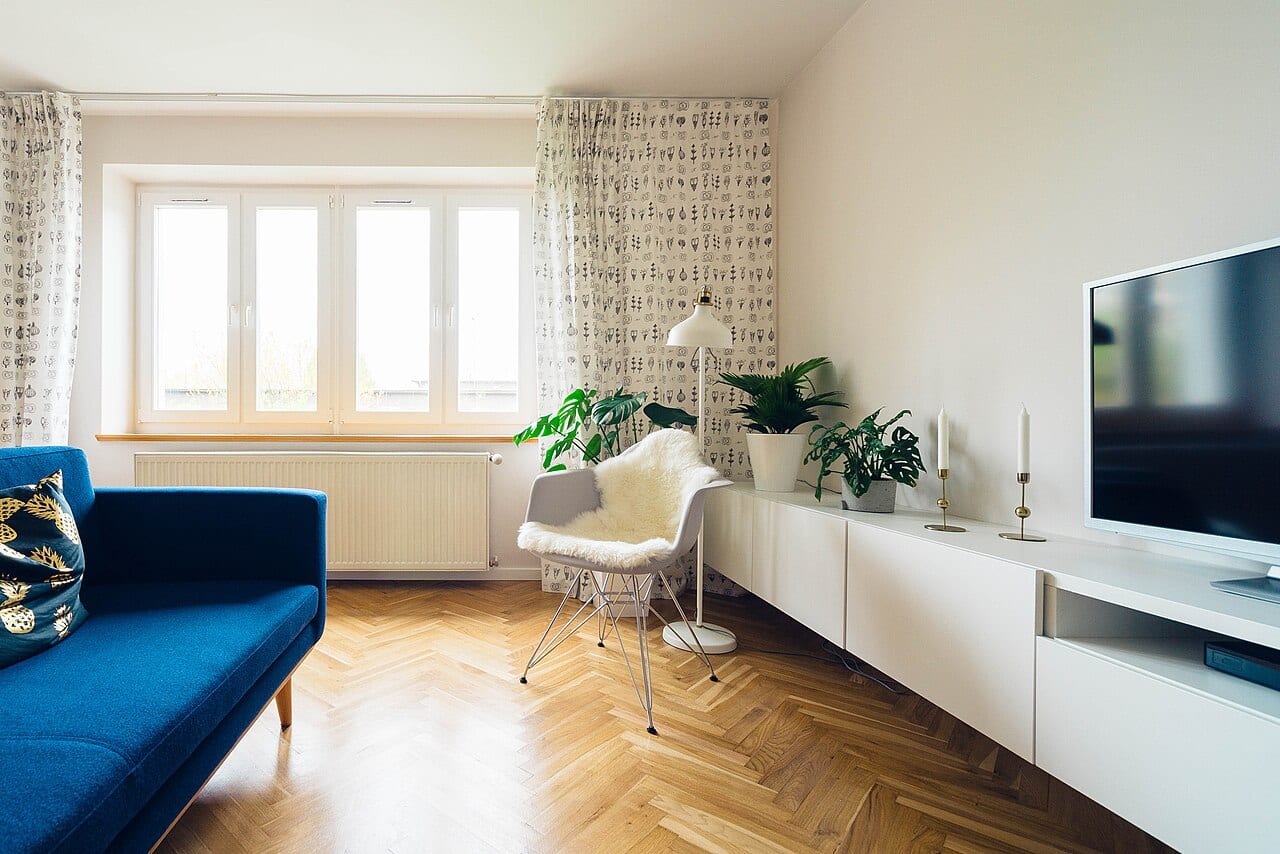
When the shelves in your Dallas home or office start to feel like a tangle of must‑haves and nice‑to‑haves, a focused reshuffle can restore order without a full remodel. By separating essentials from occasional items and testing a modest rearrangement, you gain quick access to what you need while preserving space for things you display only now and then.
Start with a simple inventory
Pull everything off the shelves in the room where you spend the most time—whether it’s a home office, a living‑room nook, or a small retail display area. Lay the items on a nearby table and make two quick piles: "needs daily" and "used occasionally." The first pile might include a laptop, a favorite cookbook, or a frequently referenced product sample; the second could hold decorative mugs, vintage magazines, or extra inventory that you only showcase for special occasions.
Map the flow of your day
Take a minute to walk through the space as you normally would. Notice where you pause, where you reach for a pen, where you glance at a folder. Mark those spots in your mind—or with a piece of masking tape on the floor. The goal is to see which shelf heights, depths, and distances align naturally with your movements. When you return the items to the shelves, place the "needs daily" objects on the most accessible levels, typically eye‑level or just below, and keep the "used occasionally" items higher up, farther back, or on a side shelf that you only visit when you’re planning a special presentation.
Test a modest shift
Imagine you have a row of three shelves. Currently the top shelf holds a decorative vase, the middle shelf a stack of invoices, and the bottom shelf a box of spare chargers. If you find yourself constantly bending to retrieve chargers, try swapping the bottom and middle shelves: move the invoices up, and the chargers down. This single change puts the most used item within arm’s reach without moving the entire system.
Weigh the trade‑off
Every rearrangement creates a balance between convenience and aesthetic. Keeping the decorative vase on the top shelf preserves a clean visual line, but it also places a rarely touched object farther from the eye. If the vase is a family heirloom you enjoy seeing, you might ask yourself whether the visual benefit outweighs the extra step of looking up. Conversely, placing a frequently used notebook on a side shelf might free up center space but could interrupt the flow if you have to step around it. The key is to decide which goal matters most in the moment: quick access or visual harmony.
Ask the right questions before you commit
- Will the new layout let me complete my typical tasks without extra bending or stretching?
- Does the arrangement still reflect the style I want the room to convey?
- If I need to display a seasonal product or host a client, can I easily switch the optional items back into view?
Because the changes are reversible—just a matter of moving a few boxes—you can live with the new setup for a week and then assess. If you notice you’re still reaching for items on the higher shelf, or the room feels cluttered, return to the original layout and try a different configuration. The process is iterative, not a one‑off decision.
In the end, a small, thoughtful rearrangement can turn a chaotic stack of belongings into a streamlined workspace that respects both function and form. By sorting items by use and testing a modest shift, you keep essential tools at hand while letting optional pieces stay out of the way—ready to be brought forward when the moment calls for it.
