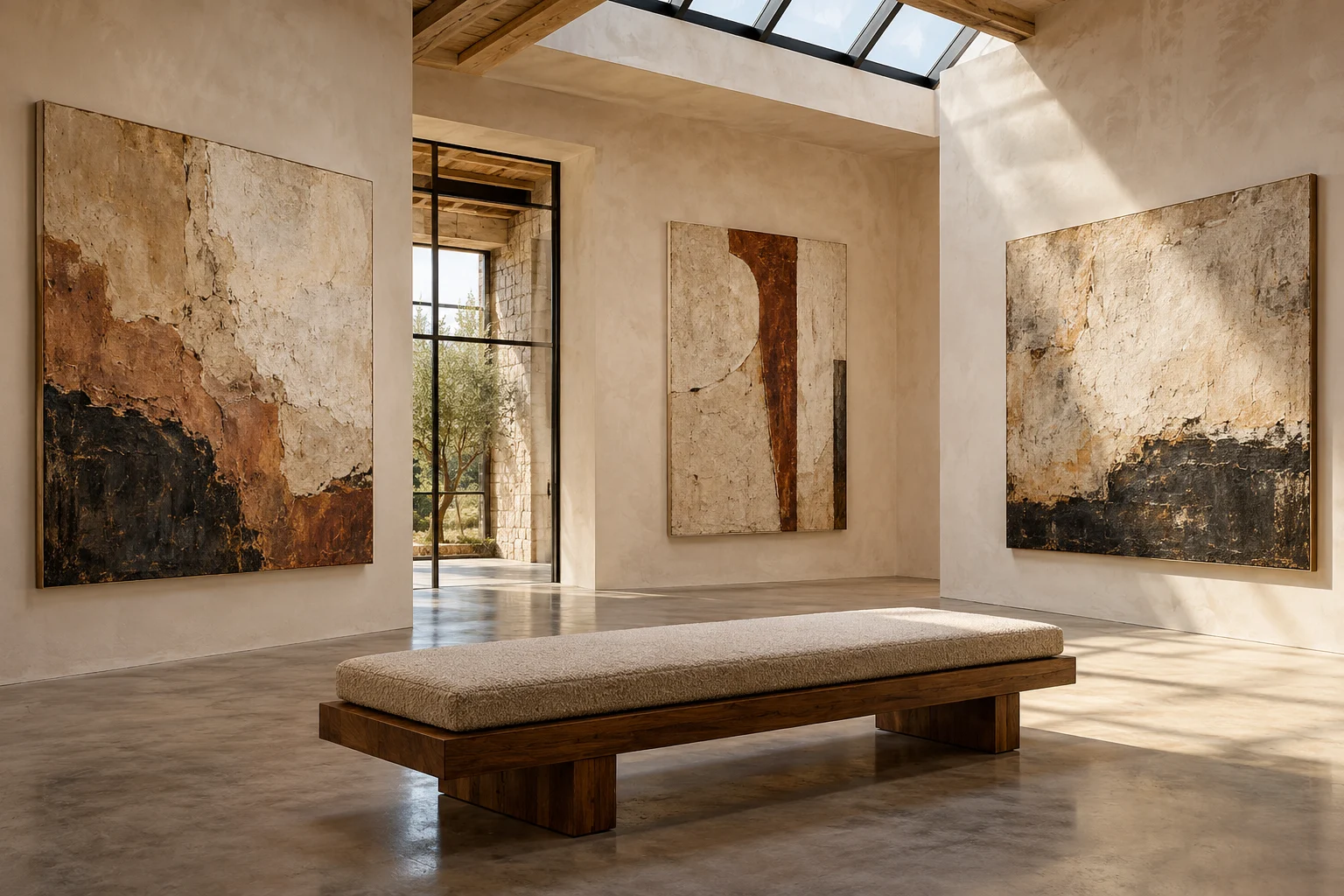
A heavy bronze sculpture sits in the center of the room, its surface pitted and uneven, catching the overhead light in jagged flashes. You stand before it, feeling a sudden, inexplicable sense of weight or perhaps a quiet tension in your chest. Nearby, a large canvas uses aggressive, sweeping strokes of cobalt and ochre that seem to vibrate if you stare too long. These are your immediate, visceral responses—the way the scale of a piece makes you feel small, or how a specific shade of red triggers a memory of a summer afternoon. In these moments, the art is a purely physical encounter between your eyes and the object.
The First Encounter
When you walk through a gallery alone, these sensations belong entirely to you. There is no companion to nod in agreement or to steer your attention toward a detail you might have missed. This solitude offers a rare clarity, allowing you to observe the texture of the paint or the way shadows fall across a medium without the pressure of social performance. You are free to linger on a single corner of a frame or walk past a massive installation without feeling the need to justify your pace to anyone else.
The Artist's Voice
Beside the sculpture, a small printed card offers a different perspective. It explains that the piece represents the erosion of urban landscapes and the resilience of nature. Suddenly, the jagged light you noticed is framed as a metaphor for decay rather than a mere visual quirk. This is the creator’s stated intention, a structured narrative designed to guide the viewer toward a specific intellectual destination. It provides a vocabulary for what you might have felt but could not quite name.
The tension of the gallery experience often lies in the gap between what you feel and what is written. You might find yourself wondering if your initial reaction was "wrong" because it does not align with the provided text. However, the value of the encounter often exists in the friction between your personal observation and the artist's explanation. One provides a sensory truth, while the other provides a conceptual framework. Neither is more valid than the other; they are simply different ways of seeing.
Navigating the Tradeoff
Choosing how to engage with an exhibition involves a tradeoff between immersion and interpretation. If you focus solely on the artist's notes, you may find yourself following a pre-set path, treating the art like a puzzle to be solved correctly. If you ignore the text entirely, you might miss the historical or social layers that give the work its broader significance. You are balancing the joy of pure feeling against the satisfaction of understanding a concept.
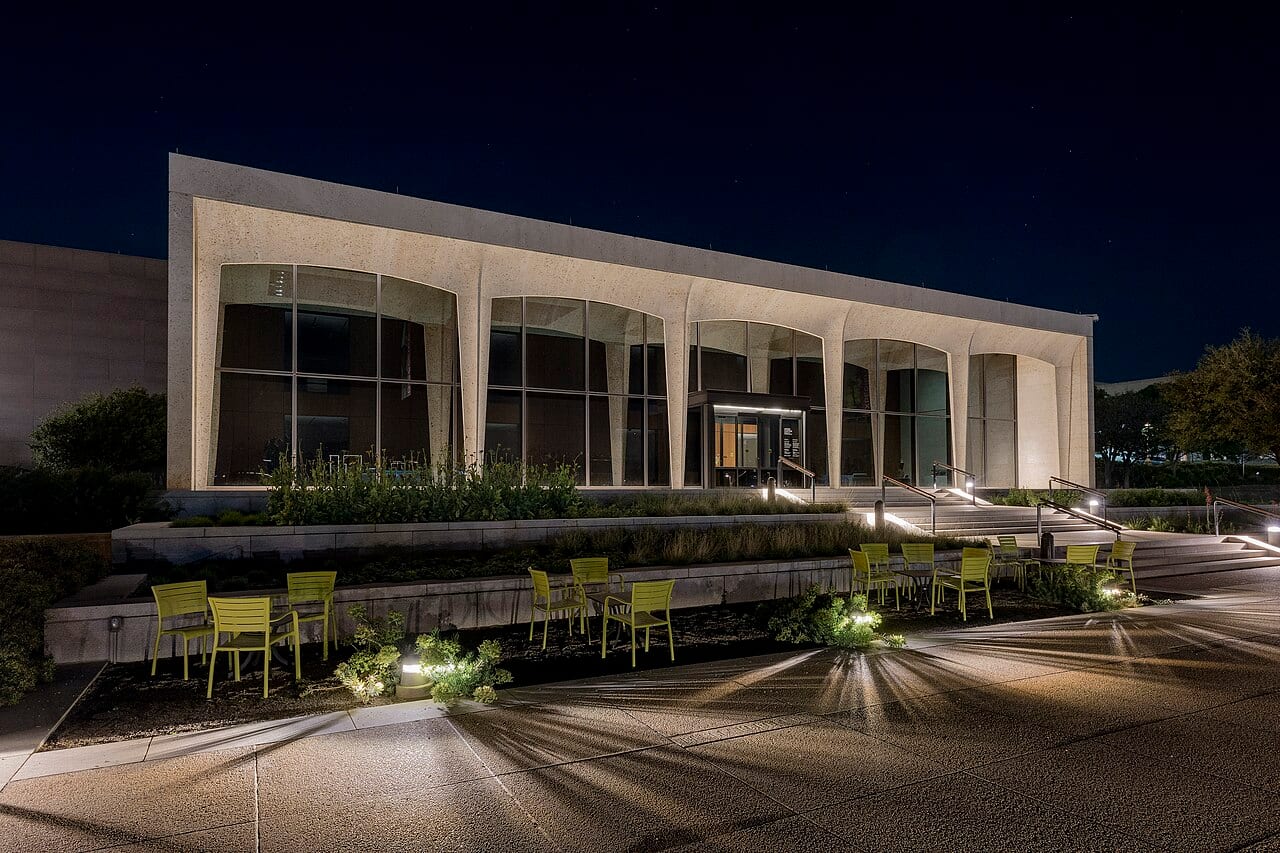
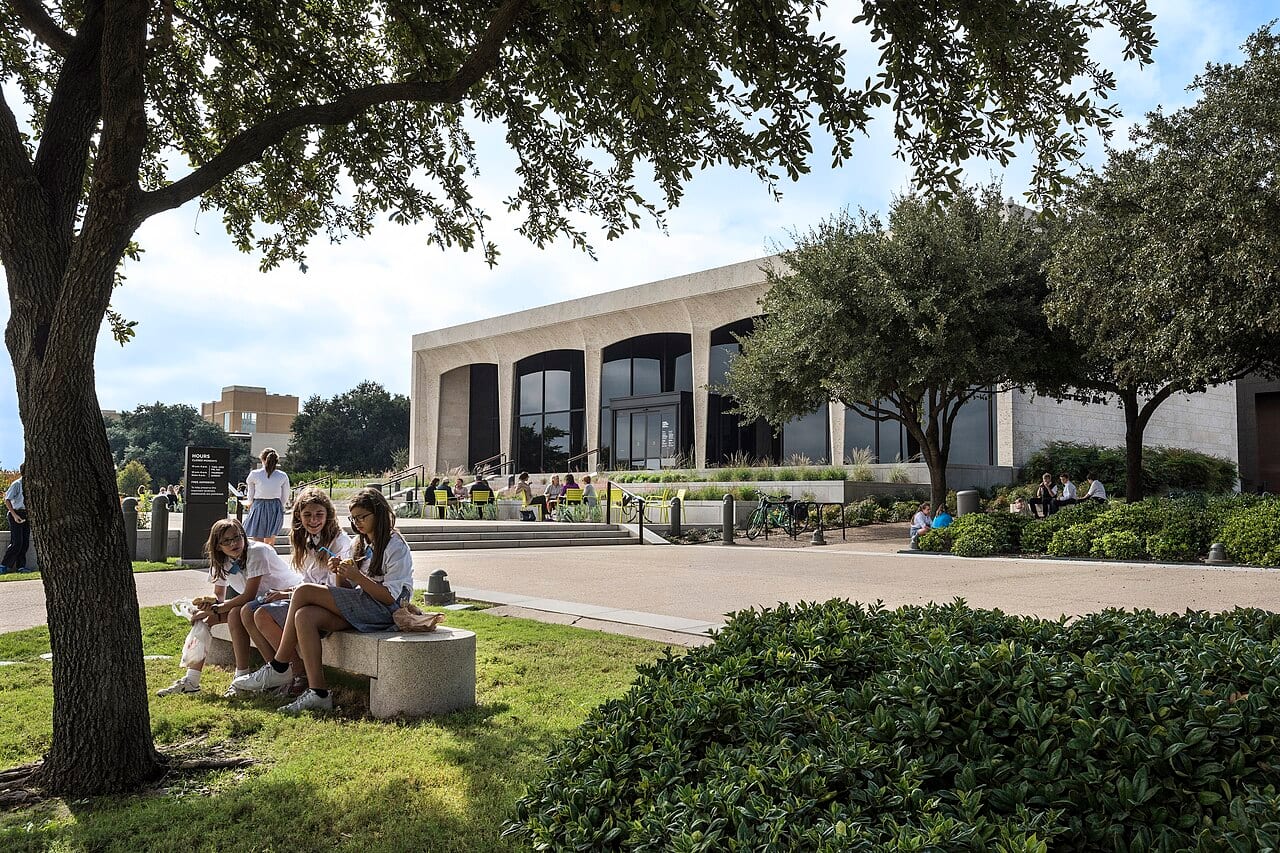
For example, if you are visiting a contemporary installation focused on local history, you might feel a sense of confusion at the abstract shapes. You face a choice: do you move on to find something more intuitive, or do you pause to read the documentation to see if the shapes correspond to something familiar in the Dallas landscape? The former prioritizes your immediate comfort, while the latter prioritizes an intellectual connection. Both paths lead to a different kind of memory of the visit.
Deciding Your Direction
When you find yourself caught between these two modes, consider which experience you are seeking for that particular afternoon. If you want to recharge, lean into your own unmediated observations and let the colors and shapes do the work. If you want to be challenged, use the provided descriptions as a springboard for deeper inquiry. Ask yourself whether the work speaks to you through its physical presence or through its ideas, and allow both voices to exist without needing to choose a single winner. Your time in the gallery is yours to define, whether that means finding a profound truth or simply enjoying the way the light hits the bronze.