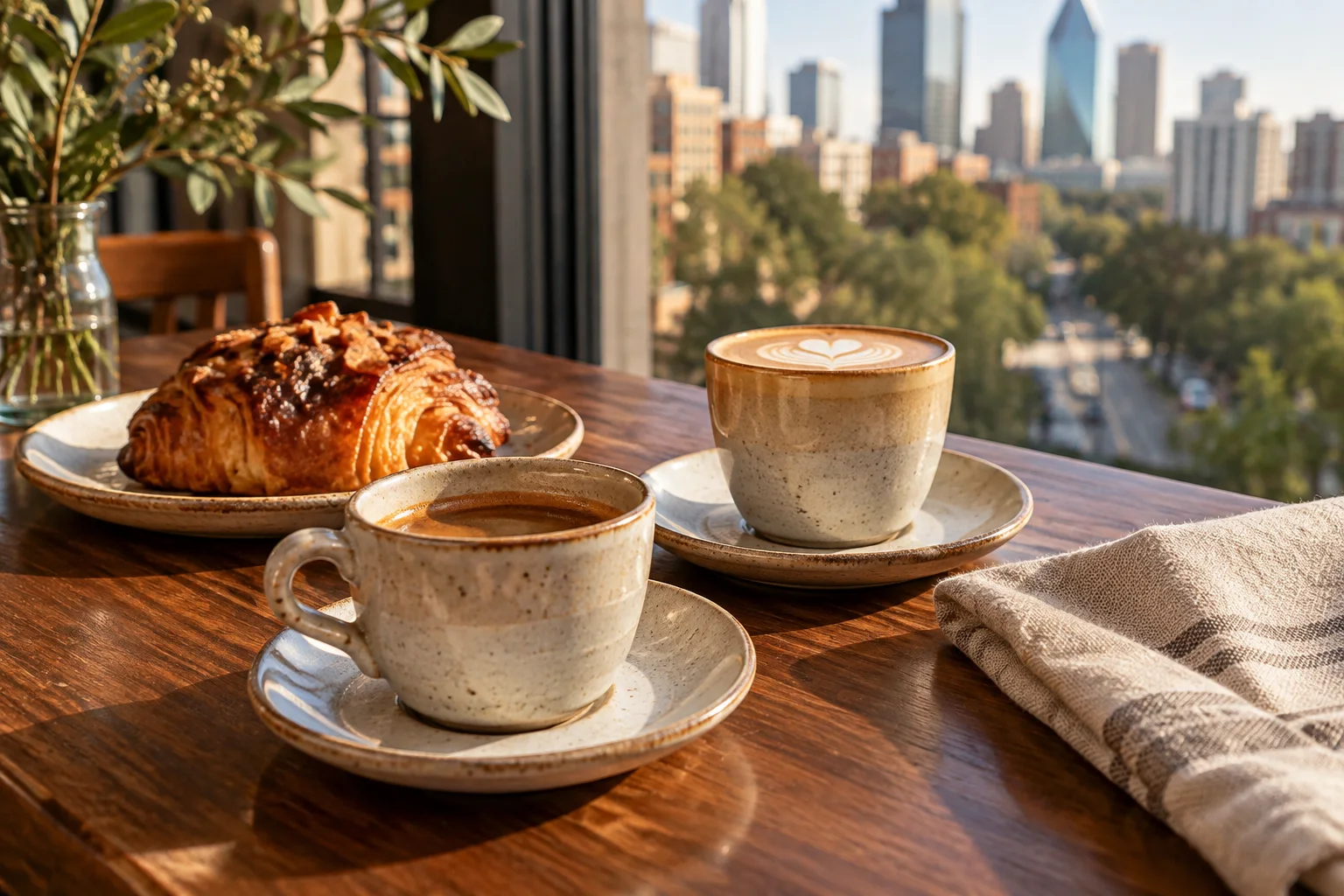
A ceramic mug sits on a desk, steam rising in a thin curl. For many in Dallas, this morning ritual is a quiet moment of preparation before the workday begins. However, when that ritual moves from a solo kitchen to a shared office breakroom or a social gathering, the simple act of ordering or preparing coffee can become a subtle exercise in social navigation. The way we describe what we want can either clarify our needs or inadvertently project our tastes onto those around us.
The nuance of personal taste
We often fall into the habit of using shorthand when discussing coffee. We might say we want something "strong" or "smooth," but these words are subjective. What one person considers a robust, dark profile, another might find unpleasantly heavy. What one person calls smooth, another might find lacking in character. When you are hosting or participating in a group setting, relying on these vague descriptors can lead to a mismatch between expectation and reality. Because taste is a private experience, the words we use to communicate it are often imperfect.
The goal is not to master the science of the bean, but to master the description of your own experience. By focusing on how a drink feels or tastes to you personally, you provide a clearer map for others without imposing your standards on them. This approach respects the diversity of palates in a professional or social environment. It shifts the focus from a universal standard of quality to a personal standard of enjoyment.
The art of the labeled cup
For those who find themselves managing coffee for a team or a small business meeting, the challenge is to accommodate variety without creating chaos. Imagine you are preparing a carafe for a morning brainstorming session. If you simply set out one pot, you are making an assumption about the group's collective preference. If you set out four different types, you may find the logistics of cleanup and organization becoming cumbersome.
A meaningful tradeoff exists between the effort of preparation and the precision of the result. You can choose to provide a wide, unguided array of options, or you can implement a system of clarity. For example, if you are serving several different preparations, consider placing a small, handwritten note next to each vessel. Instead of labeling them with technical terms, describe the sensation: "This one is very light and bright" or "This one is heavy and cocoa-like." This allows your guests to navigate the choices based on their own current cravings rather than guessing at a label. This method requires a few extra minutes of setup but reduces the likelihood of someone being disappointed by a choice they did not fully understand.
Communicating without assumption
When someone asks how you take your coffee, the instinct is often to provide a list of additions. However, describing the core profile of the coffee itself can be even more helpful. If you are at a cafe with a colleague, instead of saying "I don't like the bitter stuff," try saying, "I find I prefer drinks that have a more mellow, toasted quality."
This shift in language moves the conversation away from what is "right" or "wrong" and toward what is personally enjoyable. It prevents the accidental implication that someone else's preference is incorrect. When you are the one making the choice, focus on the specific sensations you seek. Does the drink feel crisp? Is it creamy? Is it sharp? By using these descriptive observations, you ensure that your preferences are understood clearly, leaving no room for guesswork or misplaced assumptions. Ultimately, the most effective way to navigate these social beverage moments is to own your description and leave the interpretation to the person holding the cup.