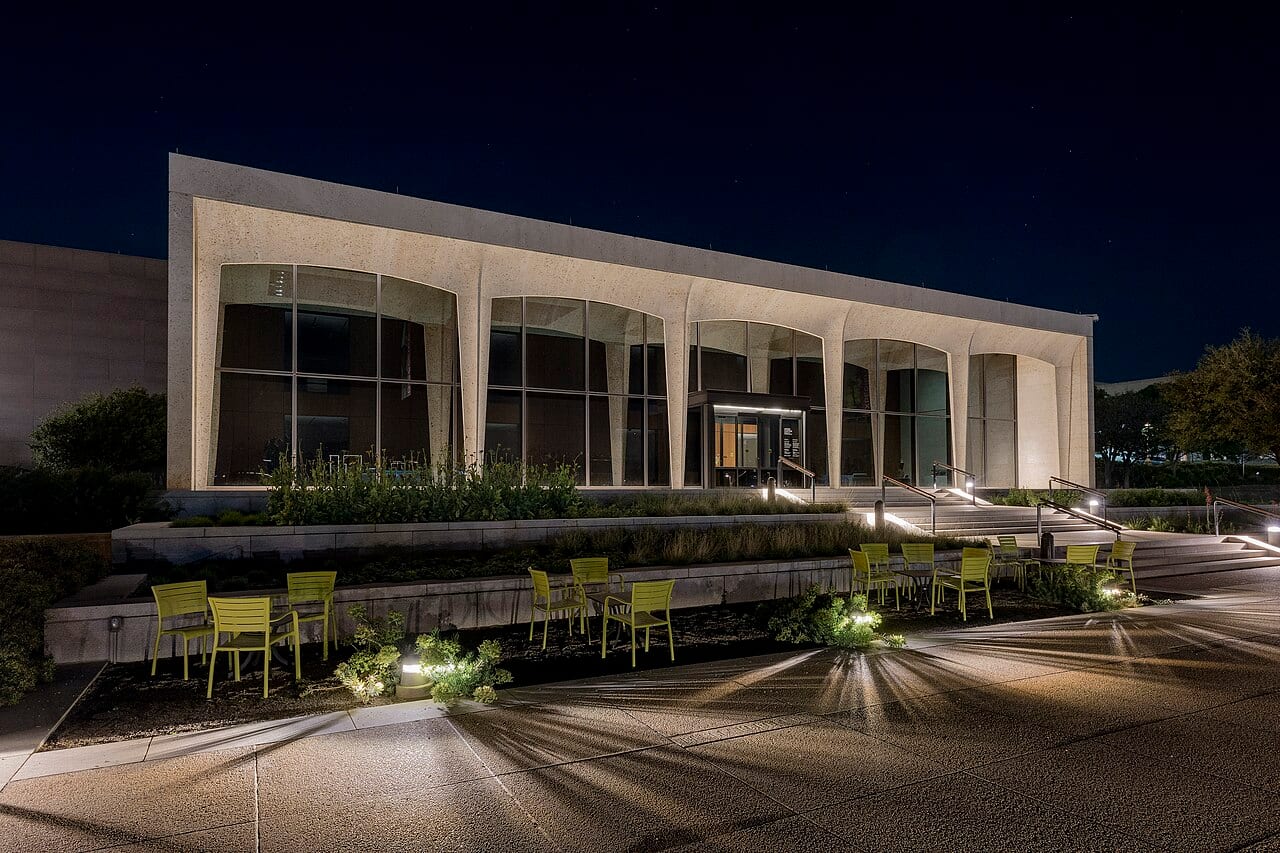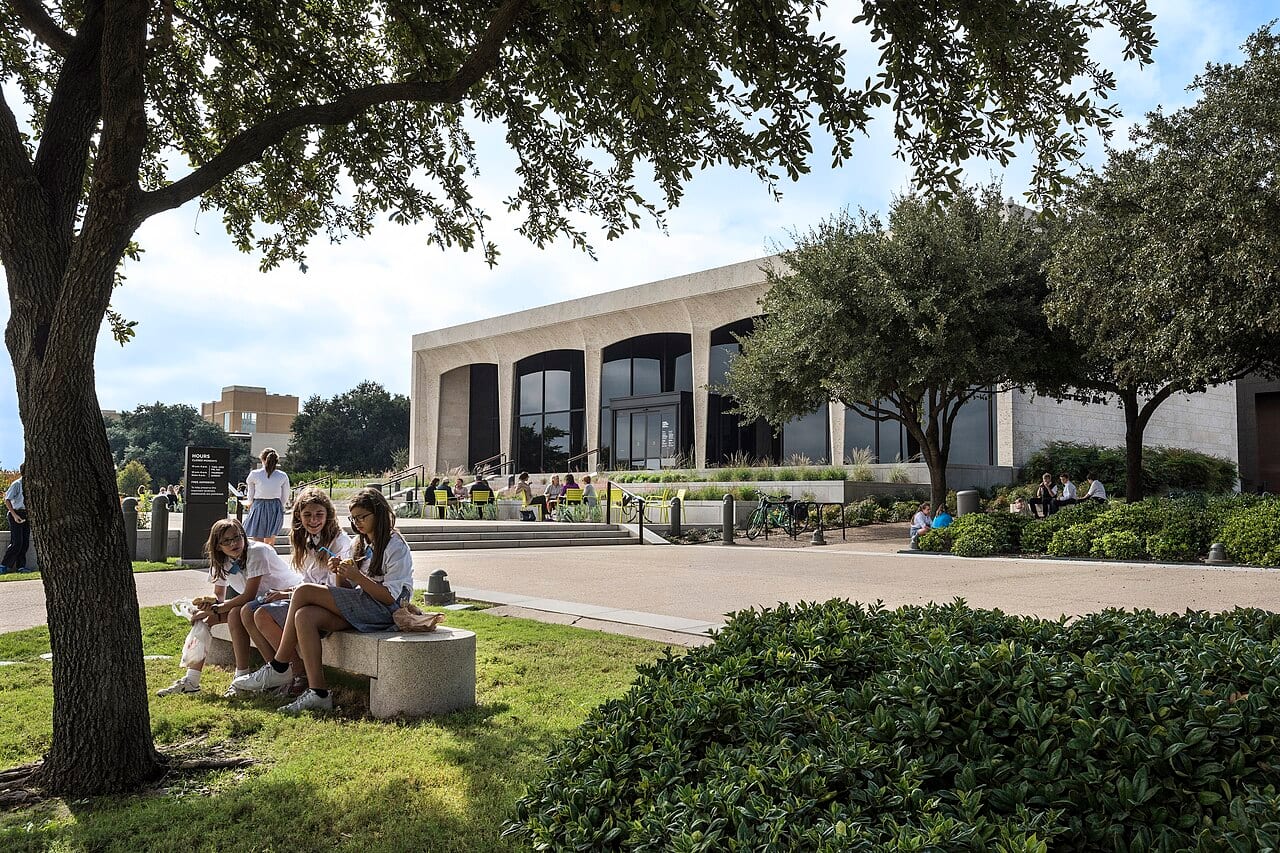
A museum ticket often feels like a passport to an entire world, promising hours of discovery across sprawling wings and diverse collections. For a Dallas resident looking to spend a quiet afternoon away from the office or the bustle of the city, the sheer scale of a major institution can transform a moment of leisure into a daunting task of endurance.
The Weight of the Entire Collection
Walking through a large venue often presents a tradeoff between breadth and depth. You can attempt to see every sculpture, every painting, and every historical artifact, but this approach frequently results in a surface-level glance. The eyes move quickly from frame to frame, and the mind struggles to settle on any single idea. The result is often a feeling of being rushed rather than being inspired.
For example, if you decide to tackle a massive retrospective in its entirety, you might find yourself navigating crowded corridors and competing with the noise of other visitors. By the time you reach the final room, you may feel more fatigued by the logistics of the visit than energized by the art itself. This is the cost of trying to see everything: the loss of the ability to truly observe.
The Value of a Modest Approach
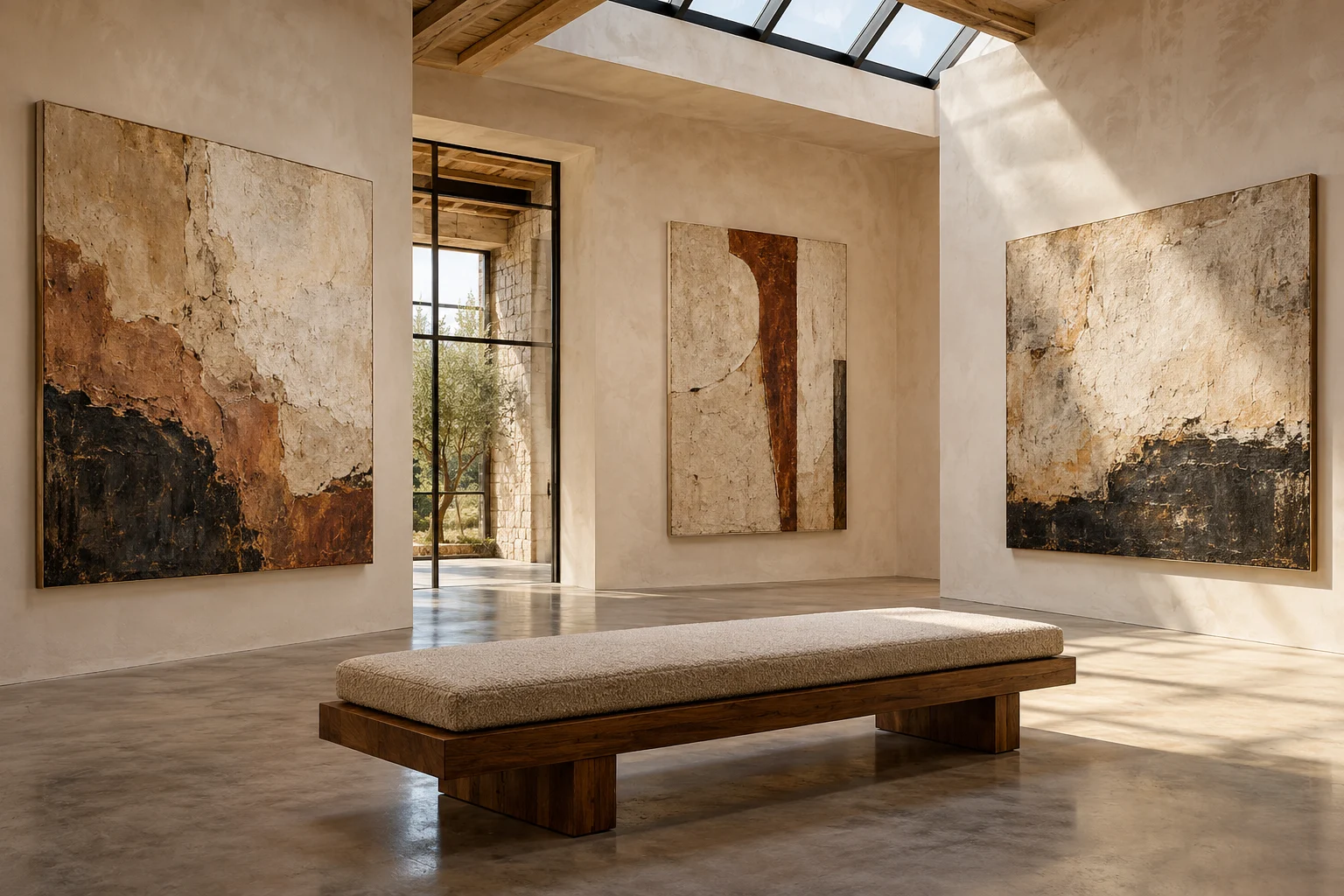
Consider a different strategy: selecting one specific exhibition or even a single room to inhabit. This modest version of a museum visit allows you to treat the space as a place of reflection rather than a checklist. Instead of measuring success by how many galleries you crossed off, you measure it by how long you stayed in front of a single piece.
Imagine you are someone who wants to test whether a particular museum fits into your weekly routine before committing to a full-day excursion or a membership. Rather than attempting the whole building, you choose one curated show that aligns with a specific interest. You arrive with the intention of spending forty minutes in one area. This approach removes the pressure of performance and allows you to see if the atmosphere suits your personal temperament.
Curating Your Own Experience
When you narrow your scope, you gain the freedom to engage with the details. You can notice the texture of a canvas or the way light hits a pedestal without worrying about the next room waiting for you. This deliberate pacing turns a public outing into a private conversation between the viewer and the work.
To make the most of a focused visit, ask the staff about the specific layout of the exhibition you have chosen. Inquire which areas are likely to be the quietest at certain times of the day. By deciding ahead of time to see one thing well rather than everything poorly, you transform a simple outing into a meaningful pause in your week.